United States chimney contractor directory + field guide

Find a Chimney Sweep. Understand the Work.

Compare local chimney sweep contractors, companies and services—then use plain-language guides to ask better questions before anyone climbs the roof.

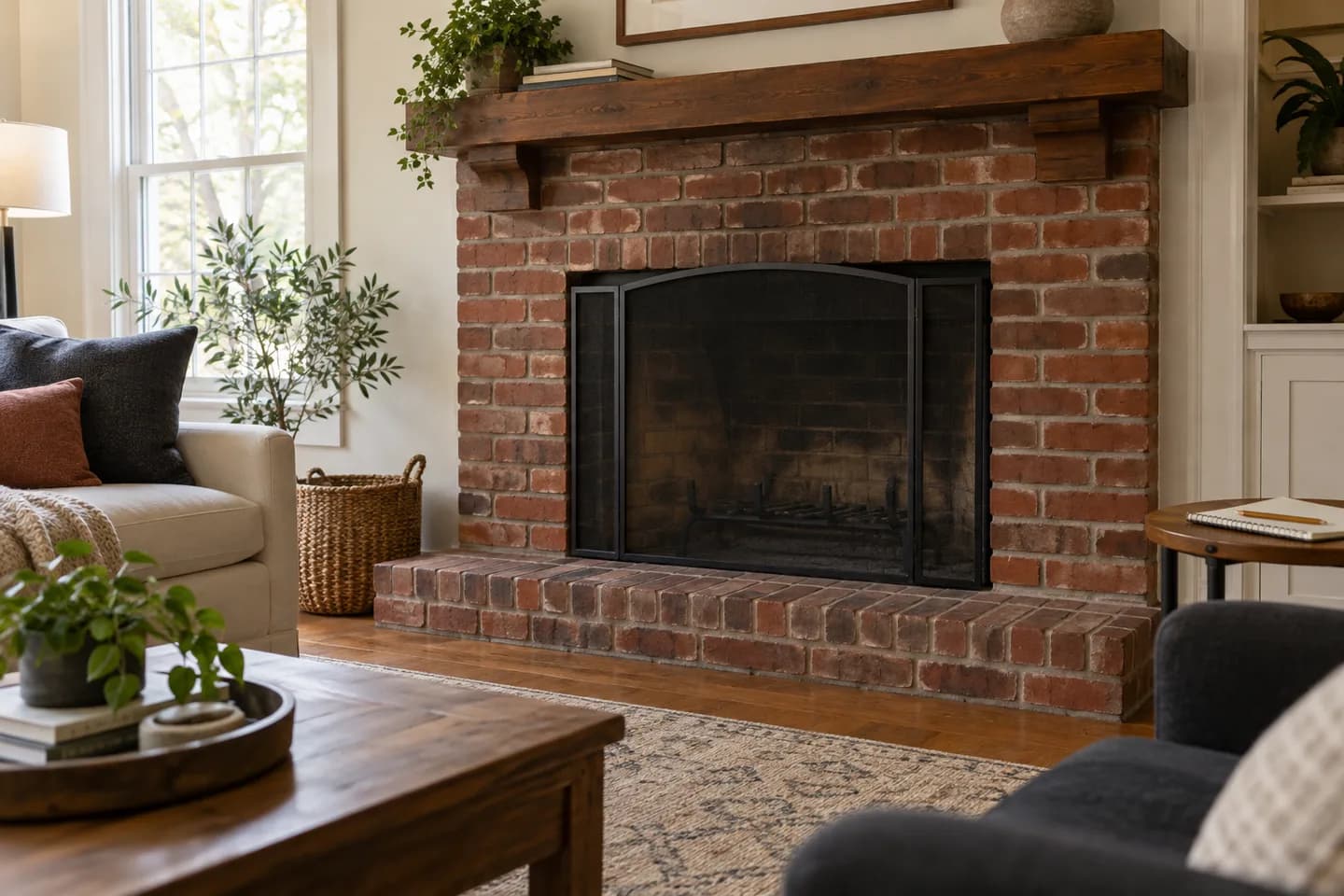
AI-generated illustration of an unlit brick fireplace in a daylight living room
AI illustration—not a company employee or completed job.
01 Learn what service fits02 Compare local companies03 Verify before booking

Understand the chimney service before you book

Read all homeowner guides
Professional chimney sweeping work

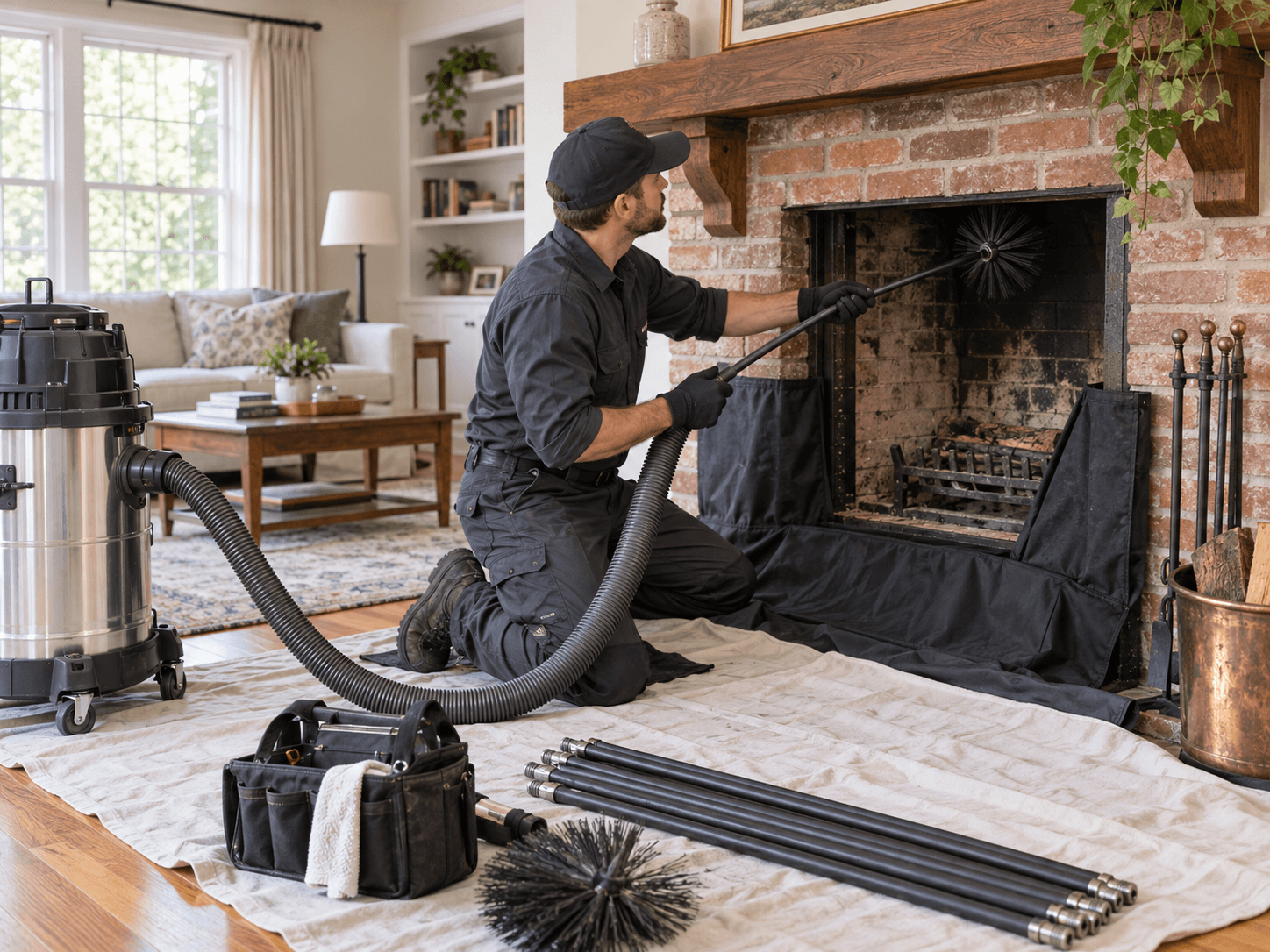
Chimney sweeping

Removal of soot, glazed deposits and obstructions from the accessible venting system.

Ask the company:
  • How the work area will be contained
  • Whether the visit includes a visual inspection
  • What condition report or photos you will receive
Open the complete service guide
Professional chimney inspection work

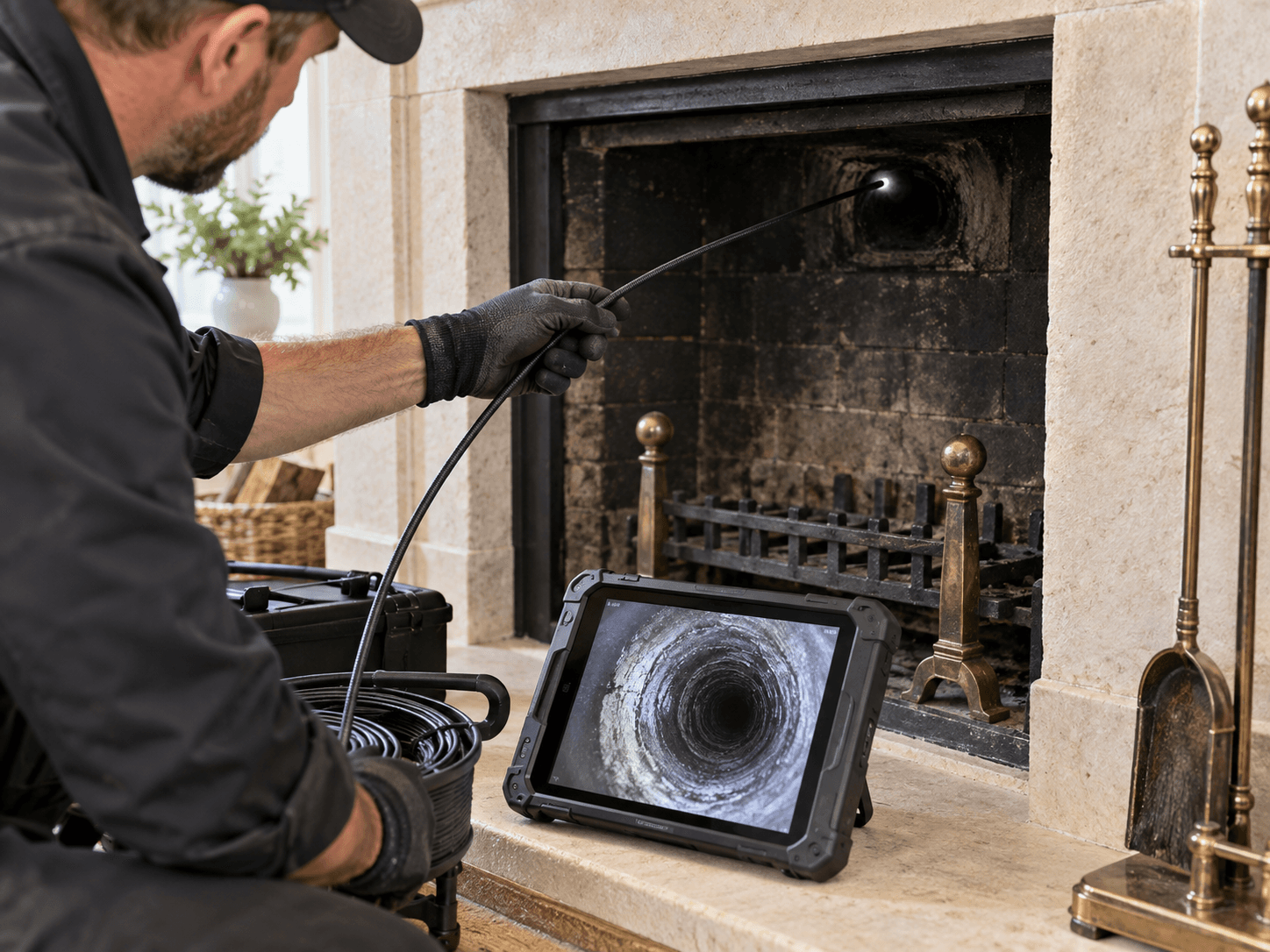
Chimney inspection

A condition assessment matched to the appliance, property history and reason for the visit.

Ask the company:
  • Which inspection level fits the situation
  • Whether a camera scan is included
  • How defects and next steps will be documented
Open the complete service guide
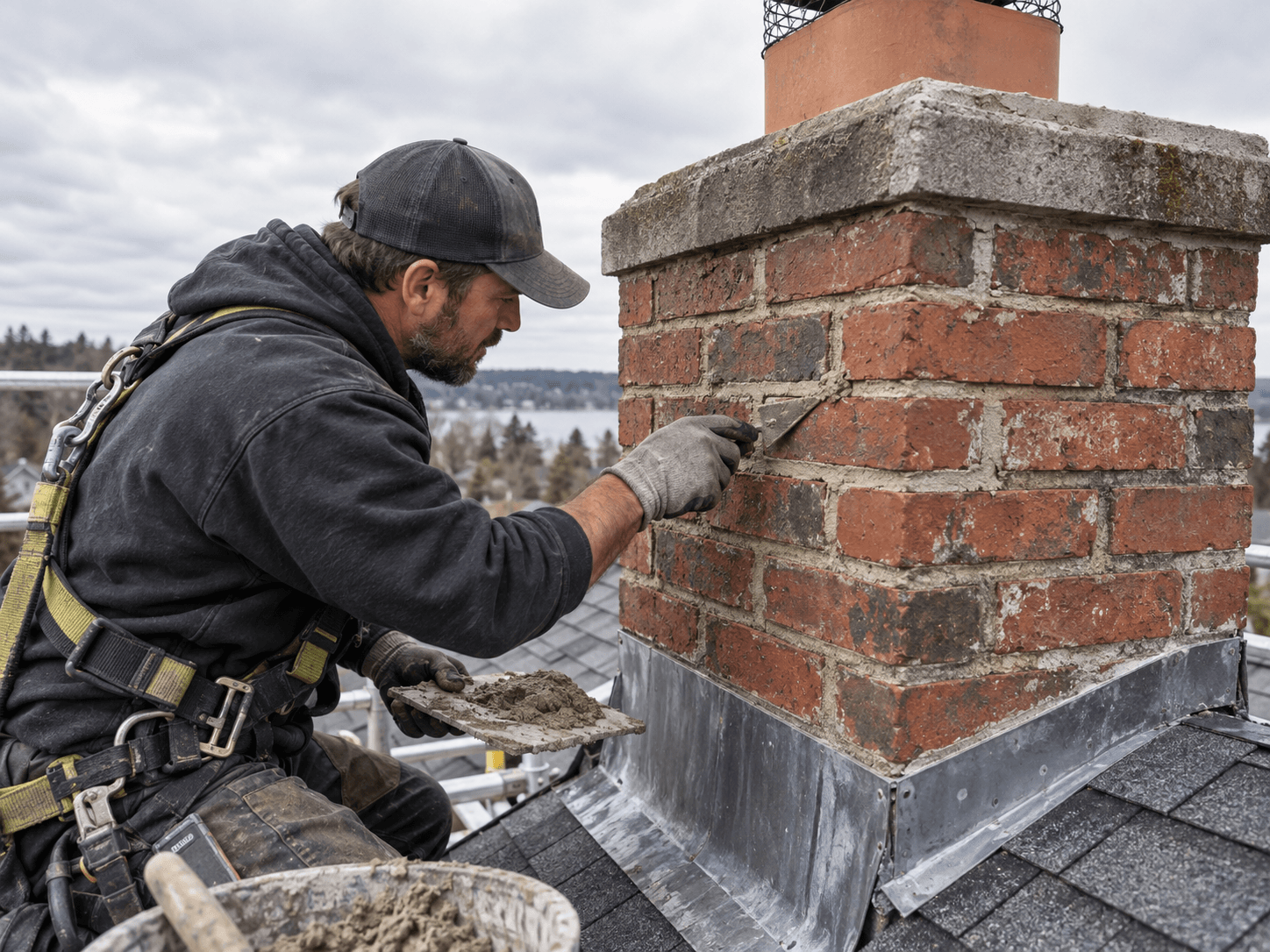
Professional chimney and masonry repair work

Chimney and masonry repair

Diagnosis and repair of masonry, crowns, flashing, liners, caps and water-entry points.

Ask the company:
  • The diagnosed cause—not only the visible symptom
  • Materials and repair limits in writing
  • Photos before and after the work
Open the complete service guide

Notice something? Start here.

All chimney problem guides →
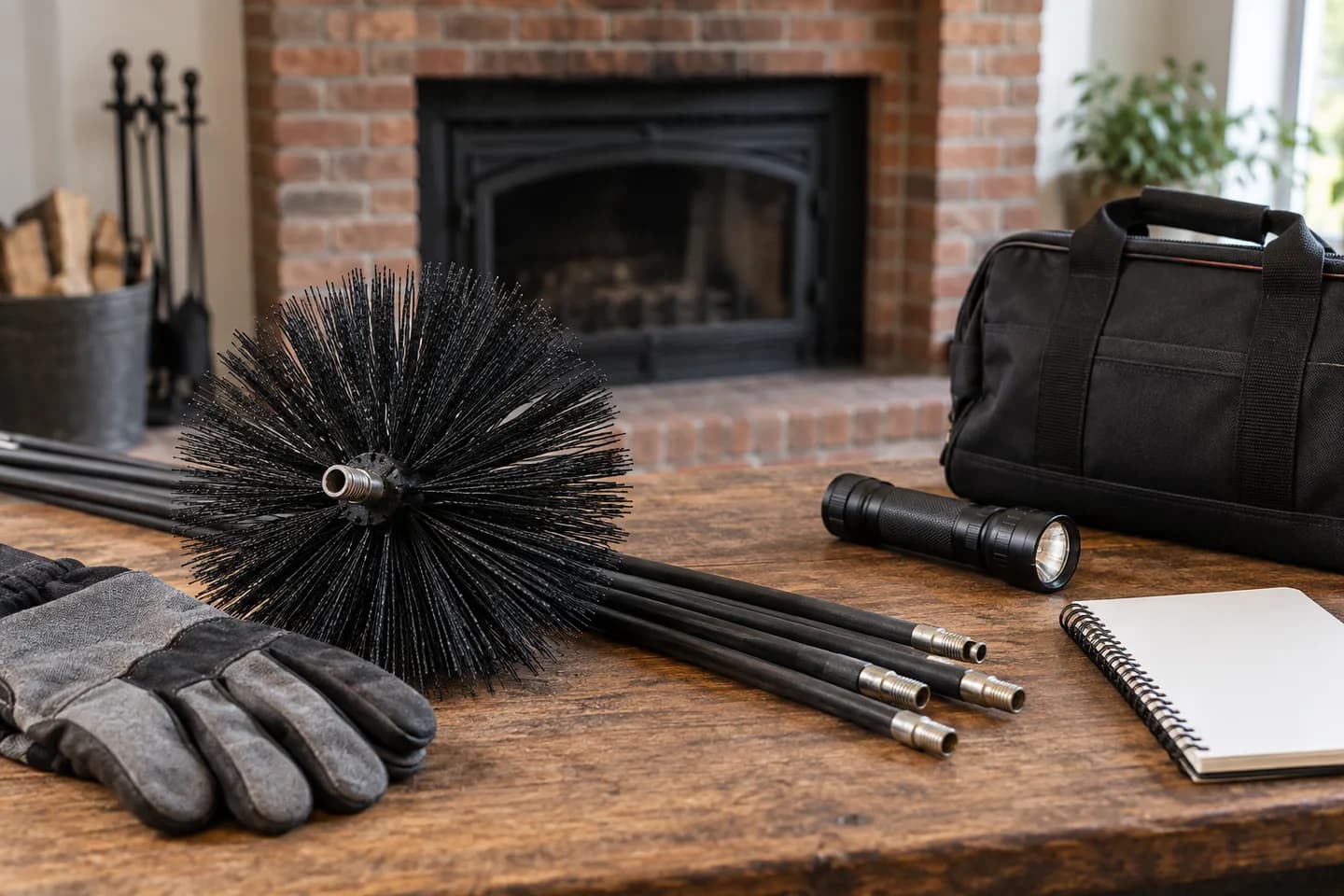
AI illustration of chimney brush, rods, flashlight and a service notebook

What happens at the appointment?

A useful visit leaves more than a clean hearth.

  1. Identify the system. Share the appliance, fuel, use and service history.
  2. Agree the scope. Name the inspection level, cleaning boundaries and access.
  3. Examine and document. Ask what was observed and what could not be reached.
  4. Decide the next step. Separate findings, restrictions and optional repair pricing.
Learn to read an inspection report →

Five answers worth getting in writing

  1. What exact work is included?
  2. Who performs it, and what experience fits my appliance?
  3. How can I verify current insurance and relevant credentials?
  4. What changes the price or requires another visit?
  5. What report, images and restrictions will I receive?
Compare equivalent contractor scopes →

Plan before the first cold evening

Book professional maintenance with time to resolve findings before regular use. Keep the appliance manual and prior reports together. After a storm or building change, record new symptoms from a safe location rather than waiting for an annual reminder.

A wood fireplace, gas unit and pellet stove are not the same maintenance job.

Build your maintenance calendar →

Explore illustrative homeowner scenarios →

Keep the evidence. Compare the scope. Ask the next question.

Three practical worksheets turn your observations, contractor proposals and inspection records into an organized conversation. No account. No lead form. No invented contractor score.

Open your Field Desk
  1. 01 · Record what changedBuild a symptom timeline without guessing the cause.
  2. 02 · Put two quotes side by sideFind missing scope before comparing totals.
  3. 03 · Review the paperworkTurn unclear findings into specific follow-up questions.
View the complete state index

Move from a broad region to one useful profile

  1. 1
    Select a state

    Open a location hub with city counts and clear routes into the directory.

  2. 2
    Narrow to a city

    Compare the local businesses represented in the shared national dataset.

  3. 3
    Review the business page

    Check listed services, location, credentials and current contact details.

The Soot Signal Decoder

Start with what you can observe. Open a symptom for the safest useful next step and the scope to discuss with a chimney contractor.

Smoke enters the room

Stop using the appliance. Check alarms, move to fresh air if needed, and request a venting and appliance assessment—not only a cleaning.

Water or ceiling stains

Record when the stain appears. Ask for diagnosis across cap, crown, flashing, masonry and condensation paths before selecting a repair.

Strong smoky odor

Deposits, moisture and pressure conditions can contribute. Keep the appliance off if performance changed and arrange an inspection.

Brick faces or mortar falling

Keep people clear of falling material and request exterior masonry and water-management assessment. Avoid DIY roof access.

Emergency rule: for suspected fire or carbon monoxide, leave the property as appropriate and contact emergency services. This guide is not a remote diagnosis.

Open the interactive chimney checkup

Know what happens before, during and after the visit

View every guide

Frequently asked chimney sweep questions

How often should a chimney be inspected?

A common safety benchmark is an annual inspection of chimneys, fireplaces and vents, even when they are not used heavily. Cleaning is based on the deposits, obstruction and condition found—not simply the calendar.

Is a chimney inspection the same as a chimney sweep?

No. Sweeping removes deposits and obstructions; an inspection evaluates accessible components and their condition. A contractor may provide both during one appointment, but the scope and documentation should be clear.

What should I ask a chimney sweep company before booking?

Confirm the exact service, inspection level, dust-control method, price assumptions, insurance, relevant certifications, who will perform the work and what written report or photos are included.

What are signs that a chimney needs professional attention?

Smoke entering the room, strong odors, falling masonry, white staining, dampness, rust, a damaged cap, animal noise or visible deposits all justify professional assessment. Stop using the appliance if fire or carbon-monoxide safety may be affected.

How do I compare chimney sweep contractors?

Give each contractor the same description, then compare equivalent written scopes. Look at diagnosis, included inspection, access, cleanup, materials, warranty, credentials and documentation—not only the total price.

Does this directory recommend or rank companies?

No. Chimney Sweep Pages organizes business records by location. A company profile is a research starting point, not an endorsement. Verify current service area, qualifications, insurance and pricing directly.

Directory note

Public facts, organized by place

This directory makes local business records easier to find. It does not rank, endorse or guarantee a provider. Confirm service area, qualifications and pricing directly before scheduling.

Start a directory search